Search
Thematic Tags: Paper
6 Results
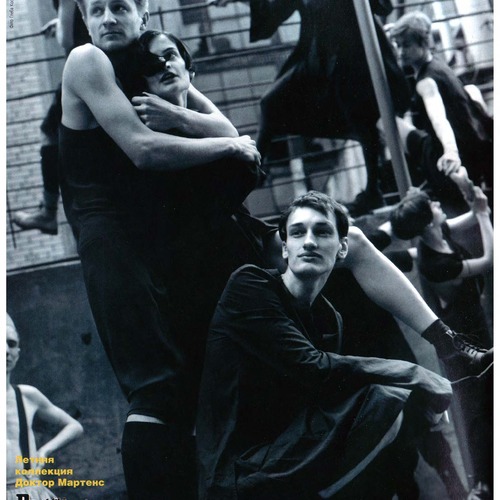
Fascist Fashion Between Counterculture and Mainstream
Images from a photo shoot from the Polushkin Brothers’ collection Fash-Fashion–alluding to both queer and fascist aesthetics–is used as an ad for the popular brand Dr. Martens in the lifestyle magazine Ptiuch and as a model for a nascent National Bolshevik countercultural aesthetics in the pages of the newly founded political newspaper Limonka.
Kino’s last concert (Luzhniki Stadium, Moscow)
Footage of a live Kino concert at Moscow's Luzhniki Stadium on June 24, 1990, roughly a month and half prior to frontman Viktor Tsoi's death in a car accident in rural Latvia. The footage shows the band at the very height of its popularity, as well as offering an unencumbered look at a country in transition: a heavy and conspicuous Soviet police detail is assigned to the event, while audience members wave both the Soviet flag and the Russian tricolor banner.
The First Article on Prostitution in the Soviet Union
"The White Dance" by Evgeny Dodolev broke a major taboo of Soviet press, by doing a report on the existence of foreign-currency prostitutes in the USSR. Dodolev would then go on to be a part of the Vzgliad team, as well as the creator of 1990s "Novyi vzgliad"
"Moscovskii komsomolets," 19-21 November, 1986
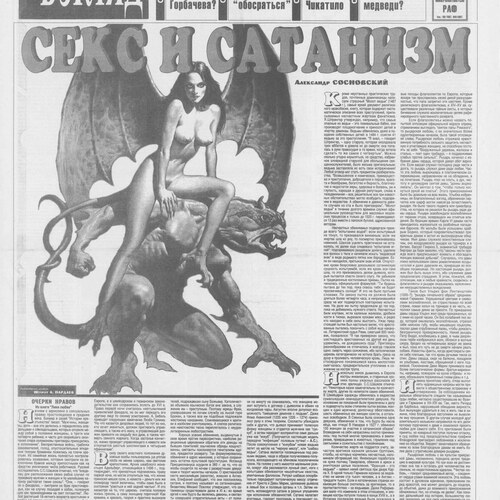
Novyi Vzgliad: Violence, Political Irony, and National Pride
Novyi Vzgliad authors write some of the most scandalous and incendiary political commentaries of the 1990s, producing new forms of political irony. Iaroslav Mogutin and Eduard Limonov turn violence into a paradoxical source of identity. The main artifact here–an article by Mogutin–exemplifies this process.
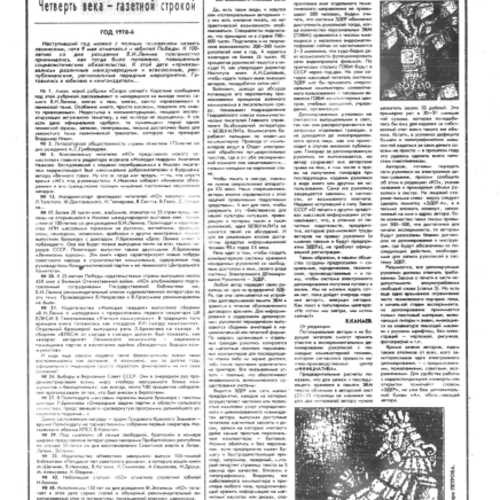
Long Live PaperLessLit
Soviet paper shortages, new computer technologies, and the lifting of censorship come together in an unexpected way in this proposal to preserve manuscripts of unpublished authors for posterity.
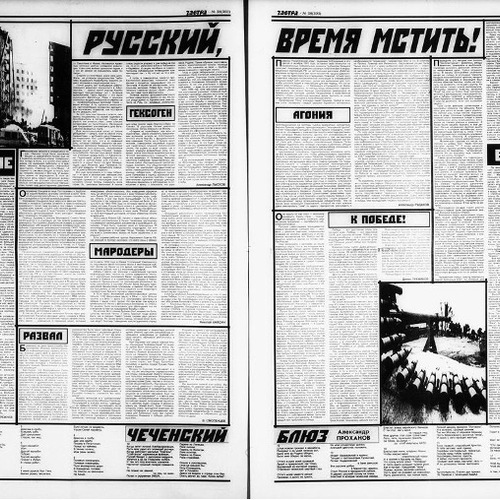
"Russian, It's Time For Revenge!"
In the weeks leading up to the Second Chechen War, Russia’s right wing publications reminded their audiences of the humiliation of the First Chechen War, and called for—nationalist, racist, brutal—revenge.