Search
Organizations: Privatization
6 Results
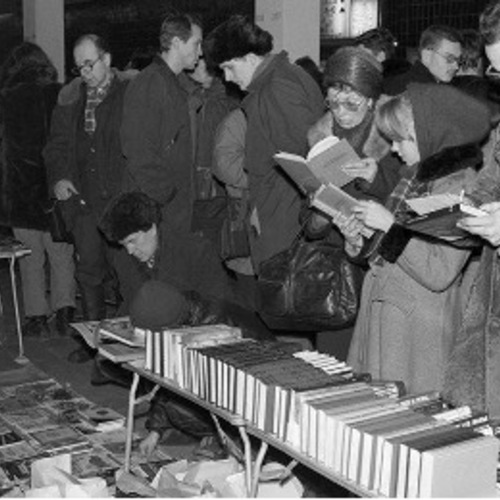
Olympic Stadium Book Market
The center of the post-Soviet book trade made its home in the corridors of the enormous stadium built for the 1980s summer games in Moscow. It was chaotic, even dangerous, and an embarrassment of riches.
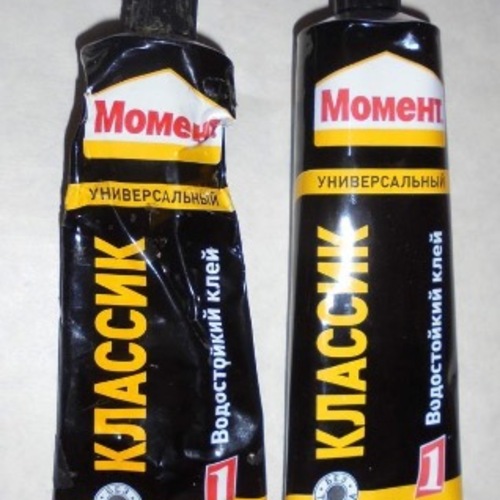
Klei-Moment
Made by the German Henkel company, Moment glue was a staple of post-Soviet hobbyists. It also became one of the prefered drugs among the post-Soviet youth. The brand name became synonymous with huffing itself.
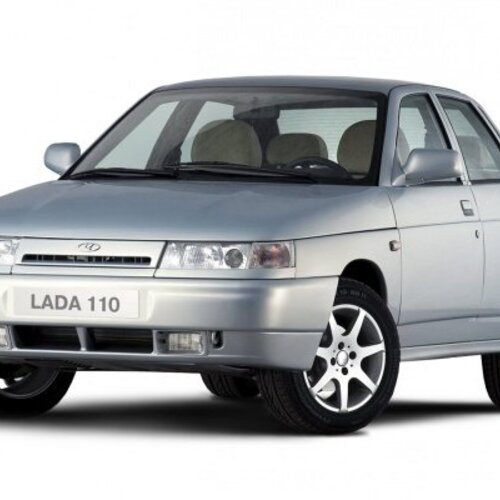
Lada 110-series
The first post-Soviet Lada model, the VAZ-2110 appeared in 1995 and sold for between $5,000 and $8,000. Targeted at the emerging middle class, the car represented the hopes that Russian manufacturing and Russian consumer power could come together to build a domestic market that would move the economy beyond raw materials extraction and imported consumer goods.
Vladimir Putin's 1999 Vision for Russia
Just before assuming the presidency, Prime Minister Vladimir Putin published an essay that outlined his vision for Russia. He saw it as a post-industrial society that could successfully integrate into the new world order only with a strong central government.
Yeltsin's Orderly (Sanitar Yeltsina)
Delo Muryleva. Smert' za kvartiry (The Murylev case. Death for Apartments). First episode of the crime show Kriminal'naia Rossiia (NTV, 1995-2002, with various later versions on TVS, Pervyi kanal, and others)
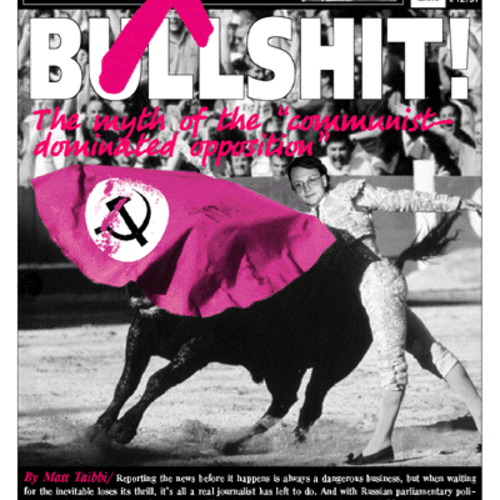
the eXile: Bespredel for Expats
A selection of articles from the English-language magazine the eXile, which combined gonzo journalism and styob and provided unique reporting on post-Soviet Russia, while at the same time fetishizing the 1990s lawlessness or bespredel and the Westerners’ exploitation of Russia (sexual and otherwise) that it itself denounced and condemned.